What Should a Fort Wayne Roofing Contractor Check Before Roof Replacement?
A roof replacement recommendation should come with more than a price. Ask a
roofing contractor in Fort Wayne to explain what is damaged, what likely caused it, and why a repair would not adequately solve the problem. A missing shingle or an indoor ceiling stain may justify an inspection, but neither automatically means the entire roof needs replacing. The important distinction is whether the trouble is isolated or part of broader deterioration - and what evidence supports that conclusion.
What Should the Roof Inspection Actually Check?
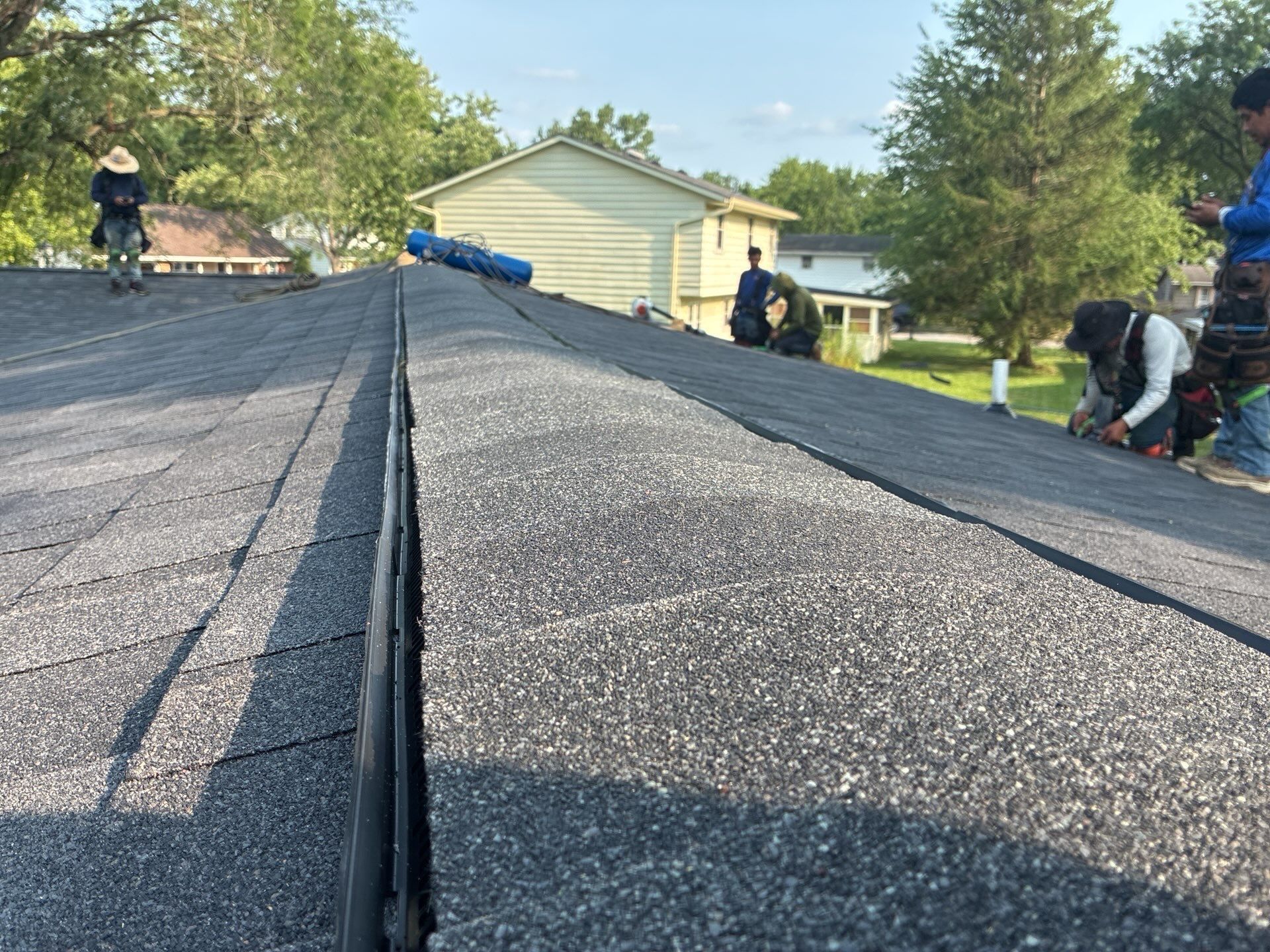
Ask the contractor to identify affected areas, not simply call the roof “old.” Findings may include missing, cracked, or curling shingles; deteriorated flashing near chimneys or vent pipes; and visible concerns with the decking beneath the covering.
An interior stain is a clue, not a map of where water entered. Moisture can travel before appearing on a ceiling, while attic condensation may be mistaken for a leak. Where access permits, attic conditions can help clarify the cause.
Fort Wayne's winter conditions add another consideration. If ice buildup appears to be involved, air leakage, insulation, and ventilation in a vented attic may warrant evaluation; replacing shingles alone may not address the underlying issue.
You can document visible stains from inside without climbing onto the roof. Ask which areas could not be inspected and why proposed flashing or underlayment changes are needed. Those explanations should be consistent with sound
asphalt shingle installation practices. Leave roof access to professionals.
When Does Repair Make Sense - and When Is Replacement Worth Considering?
Repair may be reasonable when damage affects a few shingles or one flashing area and the surrounding roof remains serviceable. The contractor must assess material compatibility and whether the repair addresses the cause.
Replacement deserves consideration when deterioration affects broad areas, shingles show widespread cracking or curling, or recurring leaks suggest isolated patches will not resolve the problem. Underlying damage can also change the recommendation. The decision depends on the entire roofing system.
Ask the contractor to connect three things: the observed defect, the likely cause, and the proposed remedy. If the defect is localized but the recommendation covers the entire roof, ask why a limited repair is unsuitable.
Age alone does not settle the question. Dark streaks may be cosmetic rather than proof of structural failure, while sagging or widespread moisture concerns need professional attention even if some shingles look intact. If the reasoning remains unclear, a second assessment can help you compare the findings.
What Damage Might Remain Hidden Until Tear-Off?
Even a careful inspection has limits. Roof decking - the wood sheathing supporting the roofing materials—may be partly concealed until the old covering is removed. Some moisture damage or deterioration may become visible only during tear-off. Compromised decking may need repair before new roofing can be securely attached.
Extra decking work is not inevitable, but the contractor and homeowner should agree beforehand on how hidden damage will be handled.
Ask a specific question: If damaged decking is found after removal starts, what happens next? Clarify how the condition will be documented, how additional work will be priced, and when your approval will be requested. This identifies costs that depend on concealed conditions.
What Should Be Clear Before You Approve the Work?
The written proposal should match the problems identified during inspection. For a replacement, look for a clear description of the proposed roofing material, what existing layers will be removed, and how relevant flashing and underlayment will be addressed. If changes to ice protection or ventilation are recommended, ask why they apply to your particular roof. Cleanup and the process for authorizing concealed-damage repairs should also be clear.
Two estimates may cover different amounts of work. Compare their scopes, not just the totals, and consider the factors affecting roof replacement cost.
For a Fort Wayne property, also ask who will confirm and handle applicable permits and inspections. Allen County publishes contractor licensing guidance and identifies re-roofing among projects subject to permit requirements; the specifics should be checked for your project.
A sound recommendation connects roof conditions to a practical repair or replacement plan. Ask for the reasoning, understand what remains hidden, and make sure the written scope matches the findings. You do not need to diagnose the roof yourself; you need enough information to make an informed decision.
Faze Construction provides roofing inspections, repairs, and replacement services in Fort Wayne. If you want help evaluating your options, you can contact Faze Construction to discuss the condition of your roof and an appropriate next step.
Like This Post? Feel Free To Share It...
More Marketing Tips, Tricks & Tools
Our Blog Here At Faze Construction